












Categories
Blog

Why Every HVAC Technician Needs a Reliable Vacuum Pump

In HVAC work, few tools are as foundational as the vacuum pump. While gauges tell you what’s happening inside a system, the vacuum pump is what makes proper evacuation possible in the first place. Without it, moisture, air, and non-condensable gases remain trapped inside the system, compromising performance, efficiency, and longevity. For professional HVAC technicians, a reliable vacuum pump isn’t optional—it’s a core requirement for doing the job right.

What a Vacuum Pump Does in HVAC

A vacuum pump removes air, moisture, and contaminants from an HVAC system before refrigerant is introduced. During installation or service, systems can be exposed to the atmosphere, allowing moisture and non-condensables to enter. If these contaminants aren’t removed, they can cause elevated pressures, poor heat transfer, chemical reactions with oil and refrigerant, and eventual component failure.

A vacuum pump creates the low-pressure environment needed to boil off moisture and evacuate unwanted gases, preparing the system for a clean, efficient charge.

Why Proper Evacuation Matters

Protects System Performance

Moisture and air reduce efficiency by interfering with heat transfer and increasing operating pressures. A deep vacuum ensures the system can operate as designed from day one.

Prevents Long-Term Damage

Leftover moisture can combine with refrigerant and oil to form acids, leading to corrosion, compressor damage, and premature system failure. A vacuum pump helps protect the most expensive components in the system.

Supports Accurate Diagnostics

Evacuation isn’t just about pulling down pressure—it’s about verifying system integrity. When paired with a high-quality vacuum gauge, a vacuum pump allows technicians to confirm system tightness and identify leaks or trapped moisture before charging.

Reduces Callbacks

Skipping or rushing evacuation can lead to performance issues that show up weeks or months later. Using a proper vacuum pump helps ensure the job is done right the first time, saving time and protecting your reputation.

Why Every HVAC Technician Should Own Their Own Vacuum Pump

For professional technicians, relying on shared or outdated equipment can slow down jobs and introduce uncertainty. Owning a dependable vacuum pump means faster evacuations, consistent results, better quality control, and confidence when working on modern systems and refrigerants. 

As HVAC systems evolve and tolerances become tighter, evacuation standards continue to rise. A quality vacuum pump ensures you can meet those standards on every call.

Fieldpiece: Designed for the Way Technicians Work

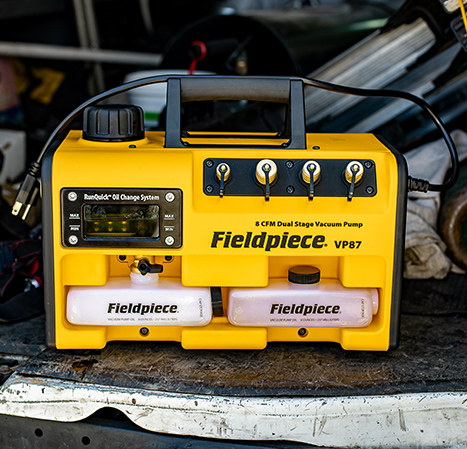
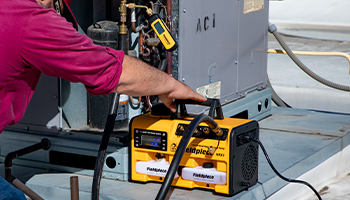
Fieldpiece vacuum pumps are designed to assist HVAC experts in achieving deep vacuums quickly, enhancing work efficiency. With the RunQuick® Oil Change System, technicians can change oil on the fly, even while the pump is under vacuum, helping maintain peak performance and reach a deep vacuum more quickly.

Fieldpiece offers a wide range of A2L-compatible vacuum pumps, so technicians can choose the pump that best fits their workload. The VPX7 delivers a powerful 10 cfm while remaining the lightest in its class at just 24 lbs. For mid-range needs, technicians can choose between two 8 cfm options: the VP87 and the NEW A3-compatible VP833. Rounding out the lineup is the reliable 6 cfm VP67.

Every Fieldpiece vacuum pump is a proven workhorse, purpose-built to reduce evacuation time, improve workflow efficiency, and keep technicians moving from job to job with confidence.

In Summary

A vacuum pump is one of the most important investments an HVAC technician can make. It protects the system, improves performance, prevents costly failures, and supports professional-grade work. With Fieldpiece’s experience designing tools specifically for HVAC technicians, you get equipment built to perform in the field. When evacuation matters, having the right vacuum pump makes all the difference. Check out our options today to find the one that works best for you!
Categories
Blog

What to Look for When Buying a Refrigerant Recovery Machine: Speed, Performance & Durability

In the world of HVAC, efficiency and compliance go hand in hand. A refrigerant recovery machine is one of the most essential tools a technician can have. Whether you’re recovering refrigerant during a system service or equipment changeout, the right recovery machine helps make your job faster, safer, and EPA-compliant. But with so many options on the market, how do you choose the right one? Let’s break down what HVAC professionals should consider.


What Is a Refrigerant Recovery Machine?

A refrigerant recovery machine, or HVAC recovery machine, is a device used to remove refrigerant from air conditioning or refrigeration systems so that it can be stored in a recovery cylinder for proper disposal or reuse in a system once a repair is complete. These machines protect technicians and the environment by preventing the release of refrigerant into the atmosphere. High-quality machines are designed for speed, performance, and durability, allowing technicians to complete jobs without unnecessary delays or risk of contamination.


What to Consider When Choosing a Recovery Machine

  1. Recovery Rate

The recovery rate of a recovery machine, measured in pounds per minute, determines how quickly it can remove liquid and vapor refrigerant from a system. Machines with higher recovery rates can dramatically reduce recovery time, keeping jobs on schedule. Speed matters, especially on busy service days. 

  1. Performance and Design

A variable speed motor and oversized compressor are vital in a refrigerant recovery machine because they optimize cooling capacity, adapt to changing pressure loads, and prevent motor strain. Other features to consider include a high-pressure cutoff to prevent over-pressurizing the recovery cylinder and a lightweight design for easy portability.

  1. Durability and Reliability

Refrigerant recovery machines need to withstand the rough conditions of the field. From bumps in trucks to tight workspaces to being hauled up the side of a building, recovery machines can take a beating. A rugged, well-built machine ensures consistent performance over years of service. 

  1. Compliance and Safety

Recovery machines must meet EPA requirements for refrigerant handling, and features like A2L compatibility, oil-free compressors, and automatic shutoff can help ensure safe, compliant operation. 


Fieldpiece: Designed for Technicians Who Demand More

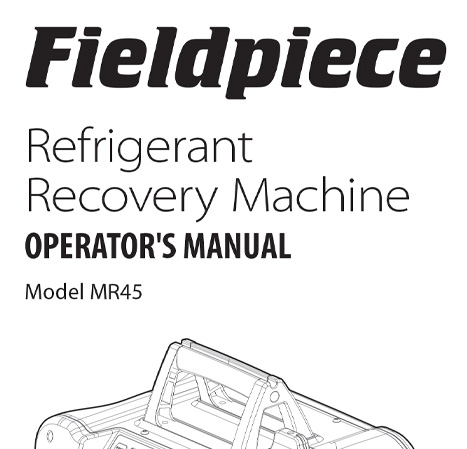
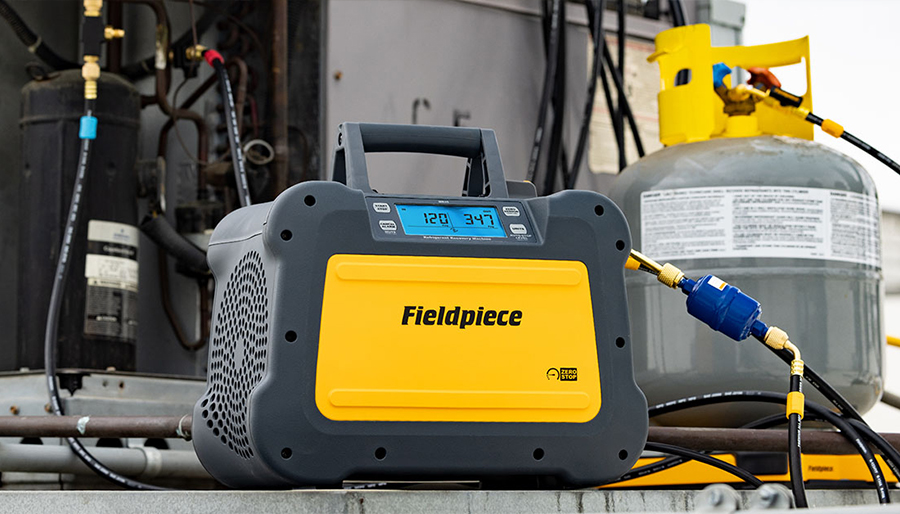
The Fieldpiece MR45 refrigerant recovery machine is built to deliver the speed, reliability, and durability HVAC professionals need in the field. Designed with real-world jobs in mind, the MR45 recovers refrigerant quickly while preventing refrigerant from escaping into the environment. Rugged construction ensures long-lasting performance, while the intuitive controls and digital display make operation simple and reliable. The Fieldpiece MR45 recovery machine is also compatible with A2L refrigerants, keeping technicians prepared for modern systems and regulatory requirements.  


The Right Recovery Machine for the Job

Choosing the right refrigerant recovery machine isn’t just about speed—it’s about reliability, durability, and knowing the machine will perform in the field, day after day. For any technician serious about precision, speed, and long-term performance, a high-quality recovery machine is a must-have. Check out the Fieldpiece MR45 today!

Categories
Blog

From Refrigerant Recovery to Charge: Tools for a Faster HVACR Workflow

HVACR technicians already know the basic recovery process. Recover refrigerant. Pull a vacuum. Charge the system. Repeat.

What separates a high-performance tech is how fast you can move through that process without sacrificing quality of work.

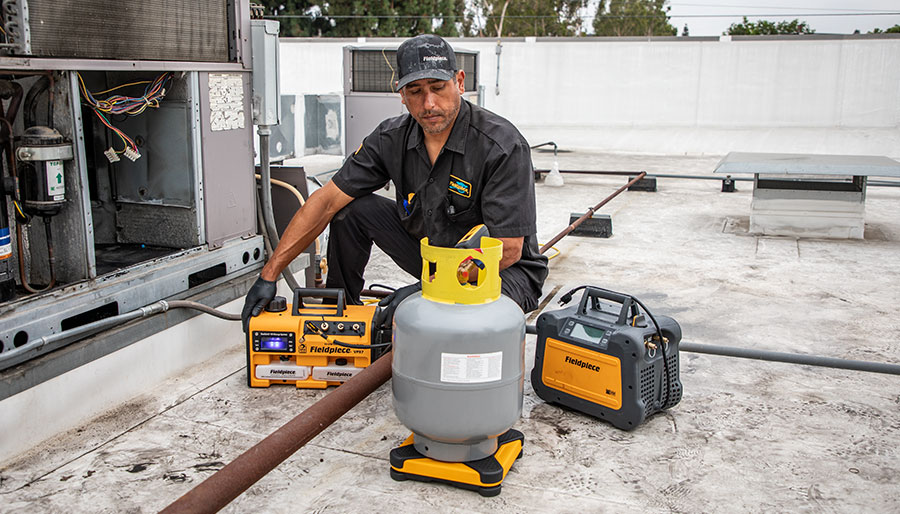
That’s where the combination of the Fieldpiece MR45 Digital Refrigerant Recovery Machine, Fieldpiece SR47 Wireless Refrigerant Scale, and Fieldpiece vacuum pumps like the VPX7 really matter.

Individually, they’re powerful tools. Together, they help create a smoother workflow from recovery to charge – helping technicians save time, reduce guesswork, and avoid the small slowdowns that add up over the course of a long day.


Refrigerant Recovery is Faster When Your Tools Work with You

Every technician has dealt with recovery jobs that can slow your day down to a crawl.

Heavy machines. Constant babysitting. Slugging issues. Recovery cylinders that need constant checking. Walking back and forth across the jobsite just to monitor progress.

The MR45 was designed to remove a lot of that friction from the process.

Its smart variable-speed DC motor automatically adjusts throughout recovery – slowing down during liquid recovery to help minimize slugging and ramping up during vapor recovery to keep things running smoothly. Instead of constantly adjusting your process around the machine, the machine adjusts itself to the job.

Then there’s Zero Stop.

It’s one of those features technicians quickly get used to because it removes one more thing to think about. Instead of standing around waiting for the machine to hit zero pressure, the MR45 automatically shuts itself off to help protect refrigerant purity by reducing the pull of contaminants into the tank.

Small feature. Big impact.


The SR47 Does More Than Just Measure Weight

A refrigerant scale might not be the flashiest tool on the truck, but it plays a significant role in almost every major refrigerant-related task.

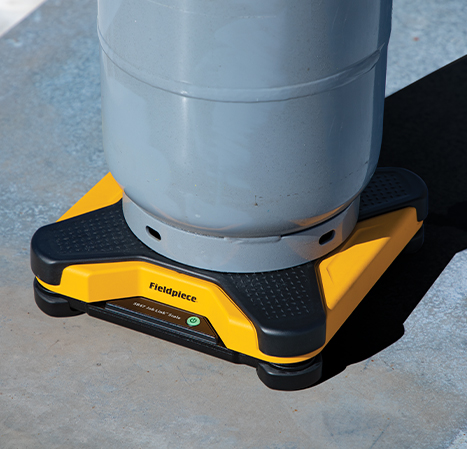
During recovery, the Fieldpiece SR47 Wireless Refrigerant Scale helps technicians keep an eye on tank weight without hovering over the recovery cylinder the entire time.

And on bigger jobs, that matters more than people think.

Instead of walking back and forth to check tank levels, technicians can monitor measurements remotely through the Job Link® System App – and easily document recovered and charged refrigerant.

It also helps avoid a recovery danger: overfilling a recovery tank.

During charging, the SR47 becomes just as valuable again by helping technicians dial in accurate refrigerant charges with confidence.


Vacuum Speed Isn’t Just About CFM

A lot of evacuation conversations focus only on pump size or CFM ratings.

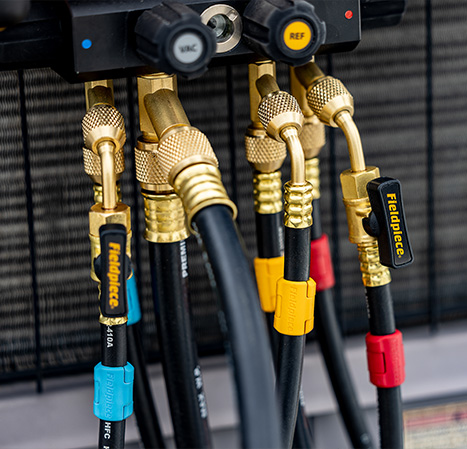
But experienced technicians know evacuation speed often comes down to the entire setup:

  • Clean oil
  • Larger diameter hoses
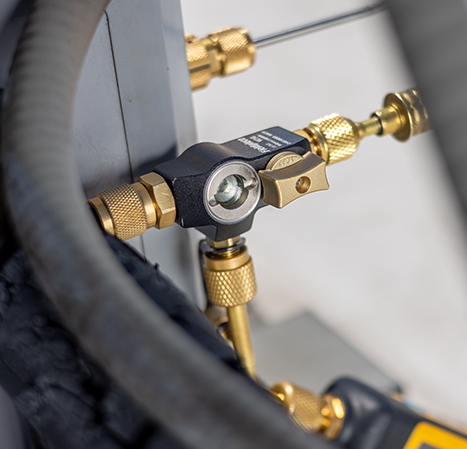
  • Proper core removal for fewer restrictions

That’s why Fieldpiece vacuum pumps are designed around workflow improvements instead of just raw specs.

Take RunQuick® oil changes, for example.

Changing vacuum pump oil is important, but it’s also one of those tasks technicians sometimes put off because it interrupts the job. The longer oil stays contaminated with moisture, the slower evacuation performance becomes.

RunQuick helps remove that barrier by allowing technicians to change oil quickly without shutting the pump down or losing vacuum.

That means technicians are more likely to keep fresh oil in the pump – and that directly impacts evacuation speed.

It’s a simple example of how shaving small amounts of downtime from each step can make a noticeable difference across multiple jobs in a day.


The Real Advantage Is Workflow

What makes these tools work well together isn’t just wireless connectivity or matching product lines. It’s that each one removes a different bottleneck from the refrigerant service process.

The MR45 helps speed up recovery while reducing babysitting. The SR47 simplifies refrigerant tracking during both recovery and charging. Fieldpiece vacuum pumps help technicians evacuate systems faster while making maintenance easier and less disruptive.

Individually, each saves a little time. Together, those improvements compound across every service call. And that’s what technicians notice most in the field. Not just that the tools work – but that the workflow feels smoother.