




- Merchandise Shop
- Where to Buy
-

 English













 English
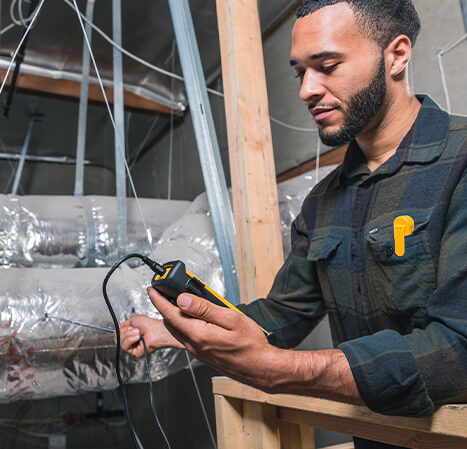
Behind every hum of a compressor or flicker of a control board, accurate electrical measurements reveal how effectively an electrical load or circuit is performing on an HVAC system. That’s where an electrical meter steps in. When designed for HVAC professionals, it is a window into a system’s electrical performance, helping technicians see exactly how power moves, where faults occur, and how to restore peak efficiency with confidence.
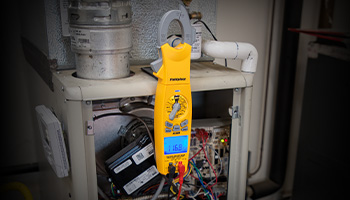
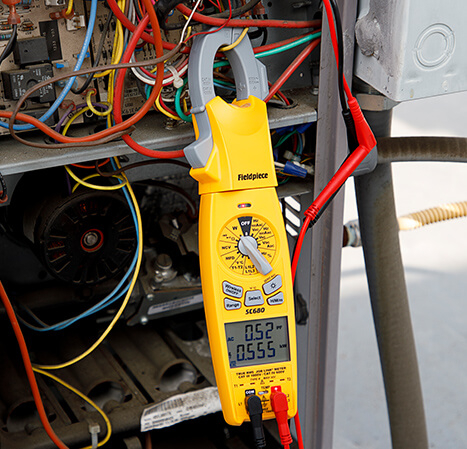
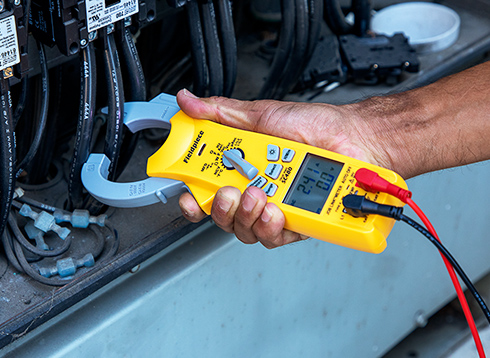
An electrical meter, sometimes called a multimeter, clamp meter, or voltmeter, is a handheld device used to measure the electrical properties of a circuit. In HVAC work, these measurements are crucial for verifying that motors, compressors, thermostats, and control boards are operating correctly.
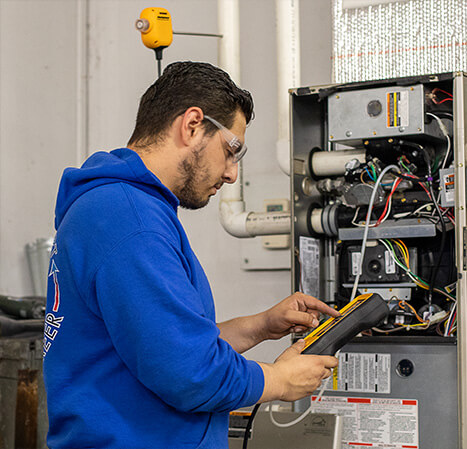
An electrical meter measures several key properties that reveal how well an HVAC system’s electrical components are performing. It reads voltage (volts AC/DC) to ensure proper power delivery and detect voltage drops, measures current (amps) to confirm that motors and compressors are drawing the correct amount of power, and tests resistance (ohms) to identify breaks or weaknesses in wiring and components. In addition, it checks continuity to verify complete circuits and quickly detect short or open connections—all critical insights that help technicians diagnose issues accurately and maintain system reliability.
HVAC systems combine electrical, mechanical, and refrigerant-based components. When one system underperforms or fails, the whole unit’s performance will suffer. Electrical meters allow technicians to pinpoint problems faster and with greater confidence.
For example, a compressor that won’t start might have several possible causes—low voltage, a faulty capacitor, or a bad winding. An accurate electrical reading helps narrow down the problem immediately, saving time and reducing unnecessary part replacements.
And electrical meters can capture critical data to support warranty claims. Specifically, recording precise values for short circuits, open windings, or locked rotor amps provides indisputable proof of compressor failure to distributors, significantly strengthening the warranty case.
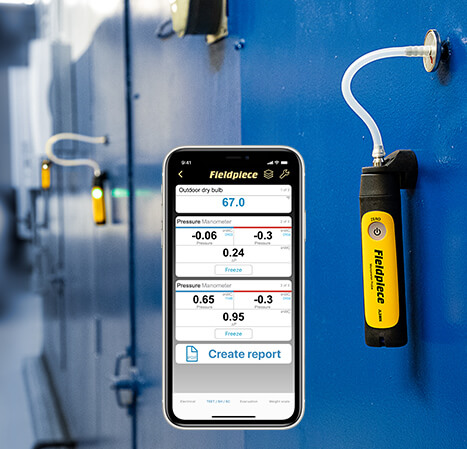
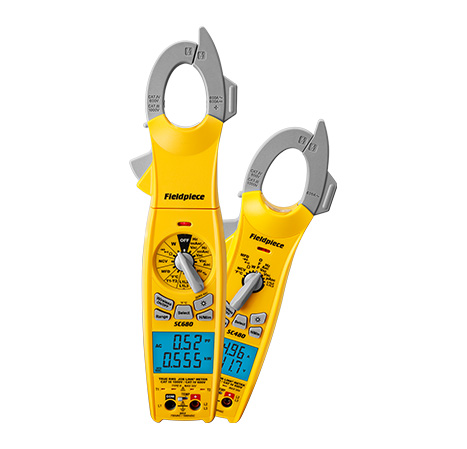
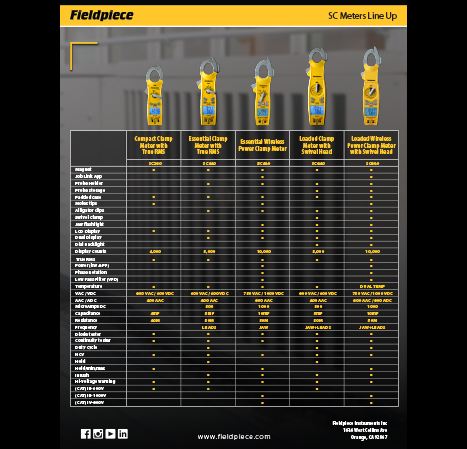
Modern Fieldpiece electrical meters take HVAC diagnostics to the next level. Designed specifically for the HVAC industry, these tools go beyond basic measurement capabilities. Here’s what sets them apart:
These innovations reflect a deep understanding of what HVAC pros need on the job: reliability, accuracy, and the ability to work more efficiently.
Electrical meters are instruments of innovation that enable technicians to deliver precise, safe, and dependable service. With Fieldpiece’s advanced line of electrical meters, HVAC professionals can confidently measure, diagnose, and maintain complex systems with industry-leading accuracy and connectivity.
For more information, please see our Electrical Multimeters.